
From Texas Dancehalls to Nashville Honky-Tonk Culture
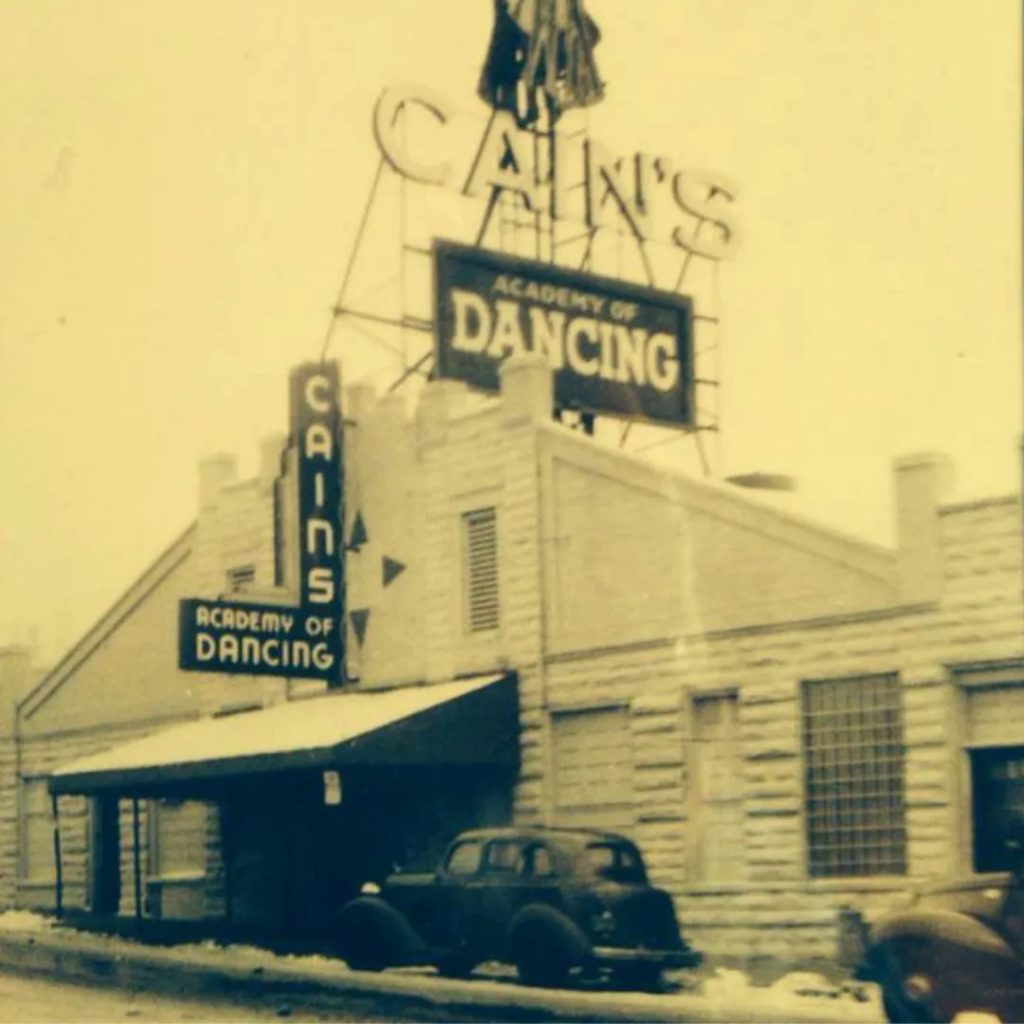
Honky-tonk has always been a little rough around the edges, and that is exactly the point. The term originally described lively, often rowdy bars across Texas and Oklahoma in the late 1800s, where working-class crowds gathered for cold drinks, dancing, and live music that leaned more grit than polish. These early honky-tonk bars helped shape a sound rooted in real life, built for crowded rooms and long nights.
By the 1930s, the sound evolving in these spaces leaned heavily into Western Swing, led by artists like Bob Wills. It was danceable, loose, and full of personality. But the honky-tonk sound most people recognize today really took hold after World War II. As the economy improved and nightlife picked up, barrooms filled again, and a more stripped-down, emotionally driven style rose to prominence.
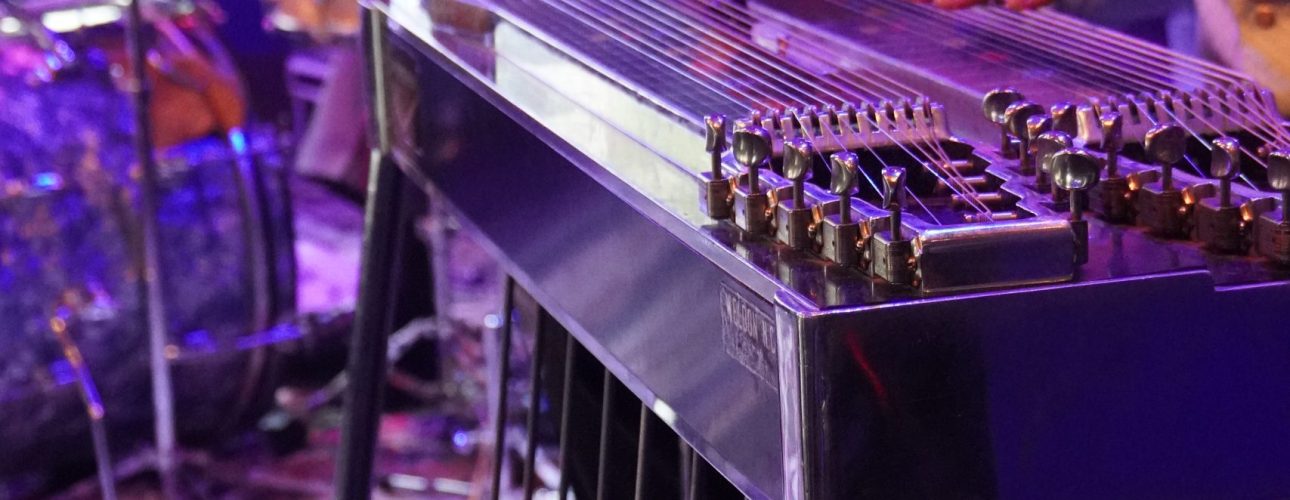
Artists like Hank Williams brought storytelling front and center, blending heartbreak, humor, and everyday struggles into songs that felt honest and unfiltered. The instrumentation followed suit. Early honky-tonk relied on electric guitars, upright bass, drums, and the sharp, sliding tone of lap steel and console steel guitars. By the mid-1950s, the pedal steel guitar entered the mix, adding a smoother, more expressive sound that would become a defining feature of the genre.
Modern Honky-Tonk in Nashville and Beyond
Nashville still sets the pace when it comes to honky-tonk culture, but it is far from stuck in the past. Lower Broadway has become a proving ground where classic country roots meet a high-energy, modern crowd. Step into any Nashville honky-tonk and you will hear everything from old-school country standards to southern rock, Americana, and genre-blending sets that keep the floor moving.
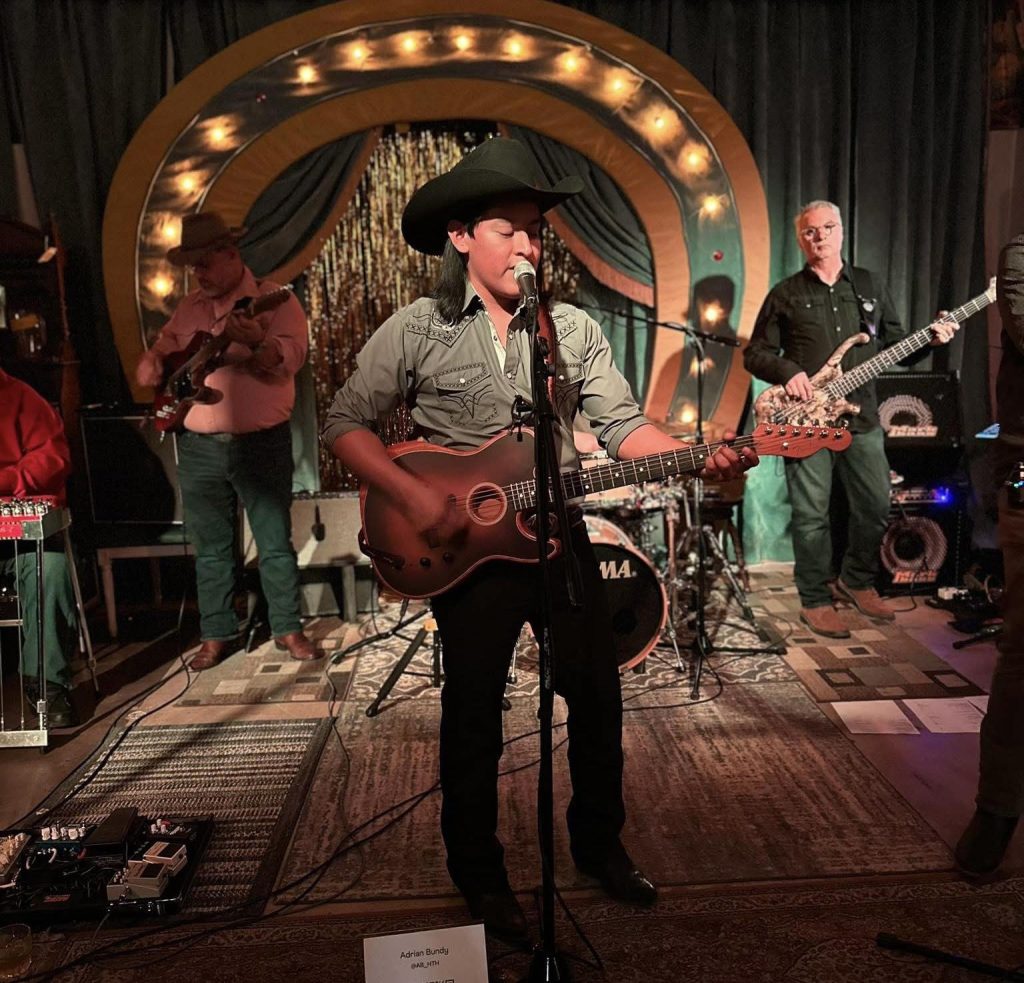
Today’s honky-tonk music carries forward the same storytelling spirit, but the sound has grown bigger and more dynamic. Traditional elements like fiddle and steel guitar are still in the mix, now backed by electric guitars, driving drums, and a fuller live performance experience. It is still about connection between the band and the crowd, just with a little more volume and a wider reach.
This evolution is exactly what keeps honky-tonk alive. It adapts without losing its roots, offering something familiar while still surprising you. Whether you are in the middle of Nashville or discovering a new spot elsewhere, the formula holds strong: real music, a lively crowd, and an atmosphere that feels electric from the first note.
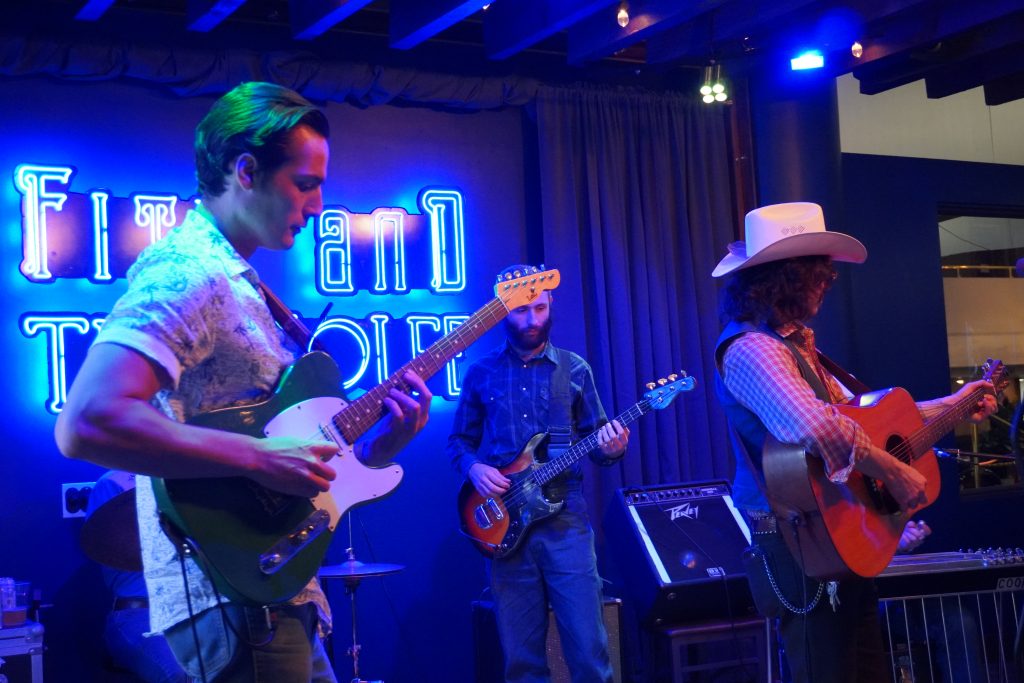
Honky-Tonk Lives On at Fitz and the Wolfe in Asheville
At Fitz and the Wolfe, that honky-tonk spirit is not just referenced, it is built into the DNA of the Showroom. The space leans honky-tonk forward, where live music takes center stage and the energy in the room builds with every set. Saturday nights bring out a mix of locals and visitors, boots hit the floor, and the line between performer and crowd starts to blur in the best way possible.
The goal is not to recreate the past note for note. It is to capture that same unfiltered energy that defined early honky-tonk bars and give it a modern home. With a rotating lineup that pulls from country, southern rock, and beyond, the Showroom keeps things unpredictable while staying rooted in the traditions that made honky-tonk what it is.
Because at its core, honky-tonk has always been about more than music. It is about the feeling in the room, the stories in the songs, and the kind of night that does not feel scripted. Right here in Asheville, Fitz and the Wolfe brings that to life with a Showroom that pairs high-energy honky-tonk with a thoughtful cocktail program, where the drinks hold their own and the music keeps you planted just a little longer than planned.